Strength Training
May 17, 2026
Resistance Training for Older Adults
Resistance training helps train the strength behind chairs, stairs, balance, carrying, travel, and recovery.
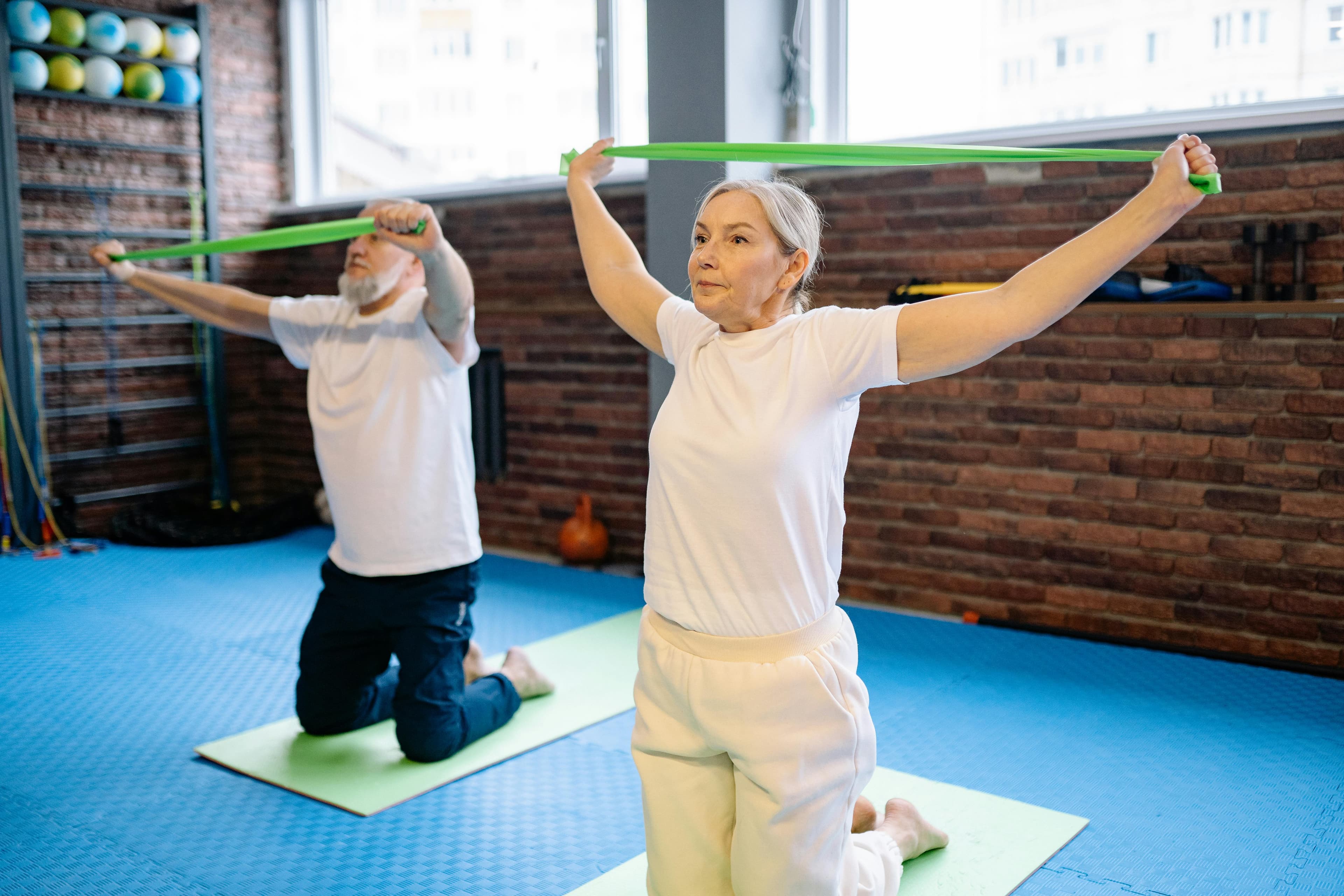
Resistance training is a simple idea that has been made to feel more complicated than it is.
It means training muscles against resistance: weights, machines, bands, body weight, cables, or carefully chosen household movements. The method can vary. The principle is the same: muscles adapt when they are asked to produce force, recover, and then meet a slightly better-matched challenge over time.
For older adults, that is not vanity. It is part of staying strong enough for daily life.
Why resistance training matters after 50
Strength is easy to miss until it changes. It helps with standing from a chair, climbing stairs, lifting luggage, carrying groceries, catching balance, getting off the floor, and recovering after illness or travel.
Age-related muscle loss is often discussed as a loss of size, but modern sarcopenia definitions emphasize strength and function. A person can look similar in clothes and still have less force available for daily tasks.
That is why resistance training deserves a central place in healthy-aging guidance. It trains the system that daily life keeps asking for.
Walking is valuable. It is not the same stimulus.
Walking supports cardiovascular health, routine, mood, glucose control, and participation. StrongPath is not anti-walking.
But walking is not a complete strength plan. It usually does not ask the major muscle groups to produce progressively greater force. It may help people maintain some ability, especially when starting from a low baseline, but it does not replace targeted strengthening for hips, legs, back, shoulders, and grip.
The CDC's older-adult activity guidance separates aerobic activity from muscle-strengthening activity and balance work. That separation is useful. It tells readers that "stay active" is not precise enough.
What a good program includes
A credible resistance-training plan for older adults is usually built around major movement patterns:
- sitting down and standing up
- stepping, hinging, and squatting to the appropriate depth
- pushing and pulling with the upper body
- carrying or gripping
- controlled core and balance demands
The exercises do not need to look dramatic. They need to match the person and progress over time.
For one person, the right start might be supervised machine training. For another, it may be physical therapy. For another, it may be body-weight sit-to-stands, wall pushups, and band rows. The question is not whether the plan looks impressive. The question is whether it is safe, specific, repeatable, and able to progress.
Progression is the point
The body adapts to demand. If the demand never changes, the adaptation often stalls.
Progression can mean more weight, more repetitions, slower control, a larger range of motion, a harder variation, or better consistency. It does not have to mean aggressive loading. It does mean the plan should not remain permanently easy unless maintenance is the explicit goal.
A 2023 review of exercise and nutrition interventions for community-dwelling older adults with sarcopenia found that exercise and nutrition interventions were associated with improvements in several sarcopenia-related outcomes. The review also reported broader benefits from moderate and moderate-to-vigorous resistance training than from low-intensity resistance training for several outcomes, while noting limits in the evidence base.
The careful takeaway is not "start hard." The careful takeaway is "start appropriately and build."
Safety is not the opposite of challenge
Older adults are often protected from challenge so thoroughly that they lose the chance to adapt. That is not safety. It is undertraining with good intentions.
Real safety means choosing the right entry point, monitoring symptoms, respecting pain, using qualified help when risk is higher, and progressing gradually. It also means not pretending that doing nothing is risk-free.
Strength declines when it is not trained. Balance can become less reliable. Confidence can narrow. The safest long-term plan often includes well-chosen challenge.
What to ask before starting
Before beginning, ask:
- What movements matter most for daily life right now?
- Is there a fall history, recent surgery, dizziness, chest pain, or major change in function?
- Would a physical therapist, clinician, or qualified coach make the start safer?
- What can be repeated twice a week for the next month?
- How will progress be measured without turning the plan into pressure?
The answers keep the plan grounded.
A reasonable beginner rhythm
Many adults can begin with two full-body sessions per week, separated by recovery days, plus walking or other aerobic activity as appropriate. Sessions can be short. The goal is consistent exposure to the movements and enough challenge to create adaptation.
A beginner session might include a chair-rise pattern, a supported hinge or squat, a row, a press, a carry, and simple balance work. The exact exercises should fit the person's capacity and medical context.
If you are starting after 60, read How to Start Lifting Weights at 60.
The StrongPath standard
StrongPath will not oversell resistance training. It is not a cure for aging. It does not replace medical care. It is not safe to prescribe the same plan to every body.
But the evidence is strong enough to say this clearly: resistance training belongs near the center of serious guidance after 50. It is one of the most practical ways to support the strength that makes daily life more possible.
This article is educational and is not medical advice. If you have a medical condition, recent fall, recent surgery, unexplained weight loss, chest pain, dizziness, significant balance problems, or a major change in function, work with a physician, physical therapist, or other qualified clinician before beginning a new exercise plan.
Evidence
Sources reviewed
CDC, 2025
Age and Ageing, 2019
European Review of Aging and Physical Activity, 2023
New England Journal of Medicine, 1994
Curated next reads
Keep going from here
01
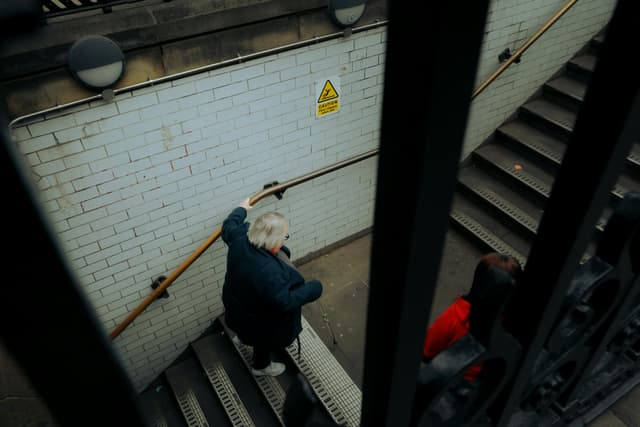
Muscle Loss
What Is Sarcopenia?
Sarcopenia is the age-related muscle loss that can make chairs, stairs, jars, luggage, and recovery feel different.
02

Caregiving
How to Help Aging Parents Stay Strong
A practical guide for adult children who want to help a parent keep more good days without pressure, fear, or taking over.
03
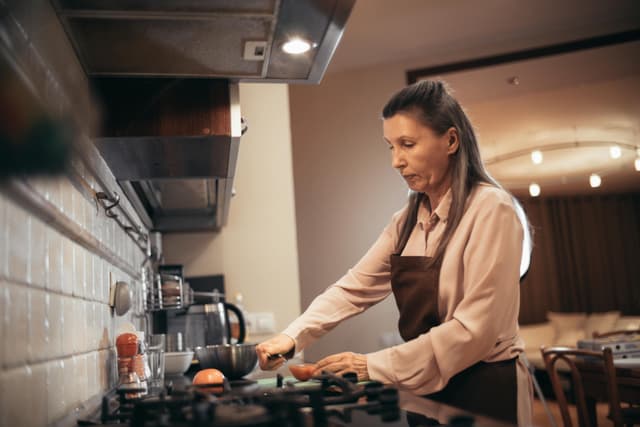
Nutrition
How Much Protein Do Older Adults Need?
Protein is not a magic fix. It is one of the basic inputs older bodies need for muscle, especially alongside resistance training.
04
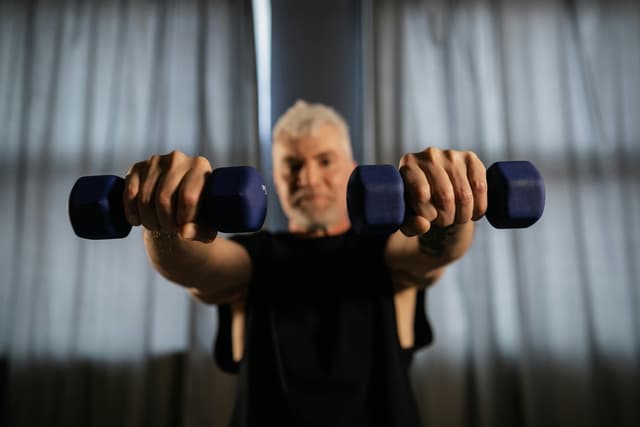
Strength Training
How to Start Lifting Weights at 60
Starting strength training at 60 is not about becoming someone else. It is about making the first month safe, repeatable, and useful.